
Myopia Control Treatment and Vision Care for Students
Myopia, commonly known as nearsightedness, is becoming increasingly common among school and college students worldwide. With more time spent on digital devices, intense academic schedules, and reduced outdoor activities, vision problems are rising rapidly in younger populations. Parents and educators are particularly concerned about increased eye power in children, frequent student complaints of eye strain, and the growing need for effective myopia control treatment.
Modern eye care has evolved significantly in recent years. Today, ophthalmologists use specialised strategies such as advanced lenses, vision therapy, and lifestyle adjustments to slow the progression of myopia. For parents seeking long-term solutions, understanding how myopia control treatment works and when to seek professional help can make a significant difference in protecting a child’s vision.
Understanding Myopia and Why It Is Increasing Among Students
Myopia occurs when the eye grows longer than normal or when the cornea curves excessively. As a result, light entering the eye focuses in front of the retina rather than directly on it. This causes distant objects, such as classroom boards or presentation screens, to appear blurry.
In the past, myopia usually appeared during adolescence. However, ophthalmologists now report that an increase in eye power in children is being detected as early as six or seven years old. Several factors contribute to this trend:
- Increased screen exposure from smartphones, tablets, and computers
- Long hours spent reading or studying indoors
- Limited outdoor playtime
- Genetic predisposition
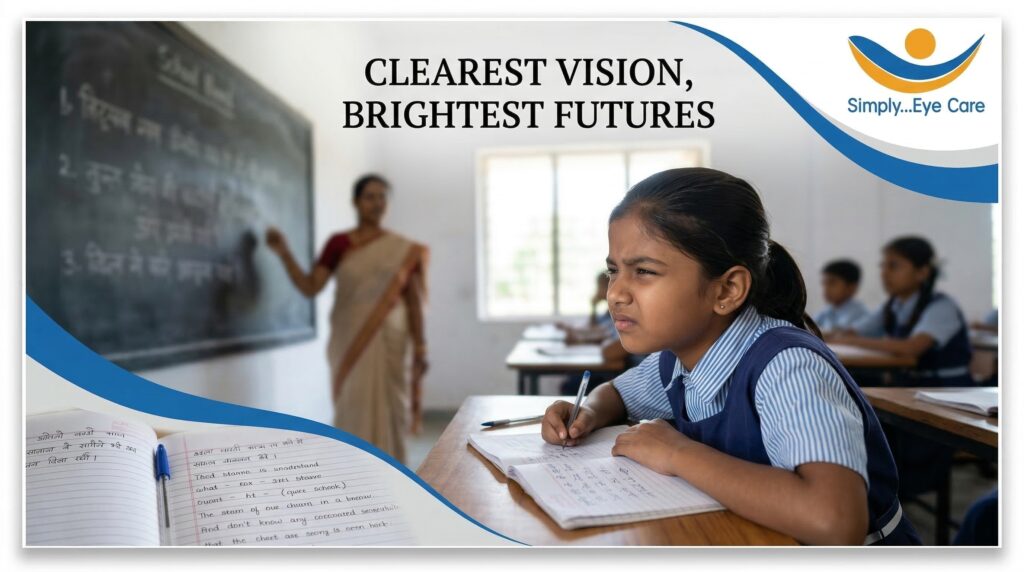
One of the most common complaints among young learners today is eye strain, especially after prolonged use of digital devices. Symptoms include headaches, blurred vision, dry eyes, and difficulty focusing during classes.
Early diagnosis is crucial because untreated myopia can continue progressing during childhood. In severe cases, high myopia can increase the risk of retinal problems later in life. This is why ophthalmologists emphasise early screening and structured myopia control treatment programs.
Why Myopia Control Treatment Matters for Students
Traditional vision correction methods, such as standard glasses, only improve clarity but do not slow down myopia progression. In contrast, myopia control treatment aims to slow the rate of eye lengthening.
Effective myopia control treatment can significantly reduce the long-term risks associated with high myopia, including retinal detachment, glaucoma, and macular degeneration.
Several modern approaches are used by pediatric eye specialists:
Specialised Myopia Control Lenses
Certain spectacle lenses are designed to change how light focuses on the retina. These lenses help slow the rate of increase in a child’s eye power by reducing signals that cause the eye to elongate.
Orthokeratology (Ortho-K) Lenses
These are specially designed lenses worn overnight that temporarily reshape the cornea. They allow students to see clearly during the day without glasses and support effective myopia control.
Atropine Eye Drops
Low-dose atropine drops are widely used in pediatric ophthalmology. These drops help slow the progression of the child’s eye power increase and are often prescribed as part of a structured myopia control treatment plan.
Lifestyle Changes
Encouraging outdoor activity, reducing continuous screen time, and following the “20-20-20 rule” can significantly reduce eye strain in students.
When combined with professional monitoring, these approaches form a comprehensive strategy for managing childhood myopia.
Managing Eye Strain in Students in the Digital Age
Digital learning has become a permanent part of modern education. While technology offers many benefits, it also contributes heavily to eye strain in students.
Students often spend 6–8 hours a day in front of screens, including for online classes, homework, and entertainment. This constant near focus can accelerate the child’s increase in eye power and worsen symptoms of visual fatigue.
Common signs of eye strain in students include:
- Frequent blinking or rubbing of the eyes
- Headaches after studying
- Difficulty focusing on distant objects
- Burning or dryness in the eyes
Parents and teachers can help prevent these issues by encouraging simple habits:
Follow the 20-20-20 rule:
Every 20 minutes, look at something 20 feet away for 20 seconds.
Encourage outdoor activities:
Studies show that spending at least two hours outdoors daily can help reduce the risk of a child’s eye power increasing.
Maintain proper reading distance:
Books and screens should be at least 30–40 cm away from the eyes.
Ensure proper lighting:
Dim lighting while studying can increase eye strain in students.
Regular eye examinations are essential for detecting early changes and determining whether myopia control treatment is needed.
Contact Lenses for Students: A Practical Vision Solution
For older students and teenagers, contact lenses for students are becoming an increasingly popular option. They offer clear vision without the inconvenience of glasses during sports, extracurricular activities, or presentations.
Modern contact lenses for students are designed with safety, comfort, and convenience in mind. Many pediatric ophthalmologists recommend daily disposable lenses because they reduce the risk of infections and require minimal maintenance.
Some specialised contact lenses for students also support myopia control treatment. These lenses use optical designs that reduce peripheral blur, which helps slow the progression of the child’s eye power increase.
However, contact lenses should only be prescribed after a detailed eye examination. Eye specialists evaluate factors such as tear quality, corneal health, and the student’s ability to maintain lens hygiene before recommending contact lenses.
Parents should also ensure that students follow proper usage guidelines to avoid complications.
Choosing the Best Eye Clinic for Children
Selecting the best eye clinic for children is critical for effective myopia management. Pediatric eye care requires specialised equipment and experienced ophthalmologists who understand how children’s vision develops.
A reliable best eye clinic for children should offer:
- Comprehensive pediatric eye examinations
- Advanced diagnostic tools for myopia progression
- Customised myopia control treatment plans
- Access to modern lenses and therapies
Equally important is a child-friendly environment where young patients feel comfortable during examinations.
Parents looking for expert care can consult experienced ophthalmologists listed here:
https://drsolankieyehospital.com/doctors/
Regular consultations with specialists ensure that the child’s eye power increase is monitored closely and that appropriate myopia control treatment is adjusted as the child grows.
To learn more about experienced eye specialists, you can also explore the medical team here:
https://drsolankieyehospital.com/doctors/
Choosing the best eye clinic for children ensures that students receive accurate diagnosis, timely intervention, and long-term vision protection.
Protecting Students’ Vision for the Future
The rise in children’s eye power and eye strain among students highlights the need for proactive vision care. Early detection, healthy digital habits, and modern myopia control treatment strategies can significantly slow myopia progression and protect long-term eye health.
Students rely heavily on clear vision for academic success, extracurricular activities, and daily life. With the right guidance, technologies like contact lenses for students, lifestyle adjustments, and expert care from the best eye clinic for children can make a lasting difference.
Book an Eye Checkup for Your Child Today
If your child is experiencing blurred distance vision, frequent headaches, or signs of eye strain in students, it may be time for a professional eye evaluation. Early intervention with advanced myopia control treatment can help slow child’s eye power increase and protect your child’s future vision.
Schedule a consultation with experienced pediatric eye specialists today and take the first step toward healthier eyesight.