
Cataract Surgery in 2026: Latest Technology, Lens Options & Recovery Guide
Cataract surgery has evolved more in the last five years than in the previous fifty. What was once a long, intimidating procedure is now one of the safest, fastest, and most precise operations in modern medicine. In 2026, advancements in laser technology, premium intraocular lenses, and microsurgical techniques are giving patients sharper vision, quicker recovery, and outcomes that previous generations could only dream of.
If you or a loved one is considering cataract treatment, this guide walks you through everything you need to know — the latest technology, the best lens options, recovery expectations, and how to choose the right hospital for your needs.
Understanding Cataracts and Why Modern Surgery Matters
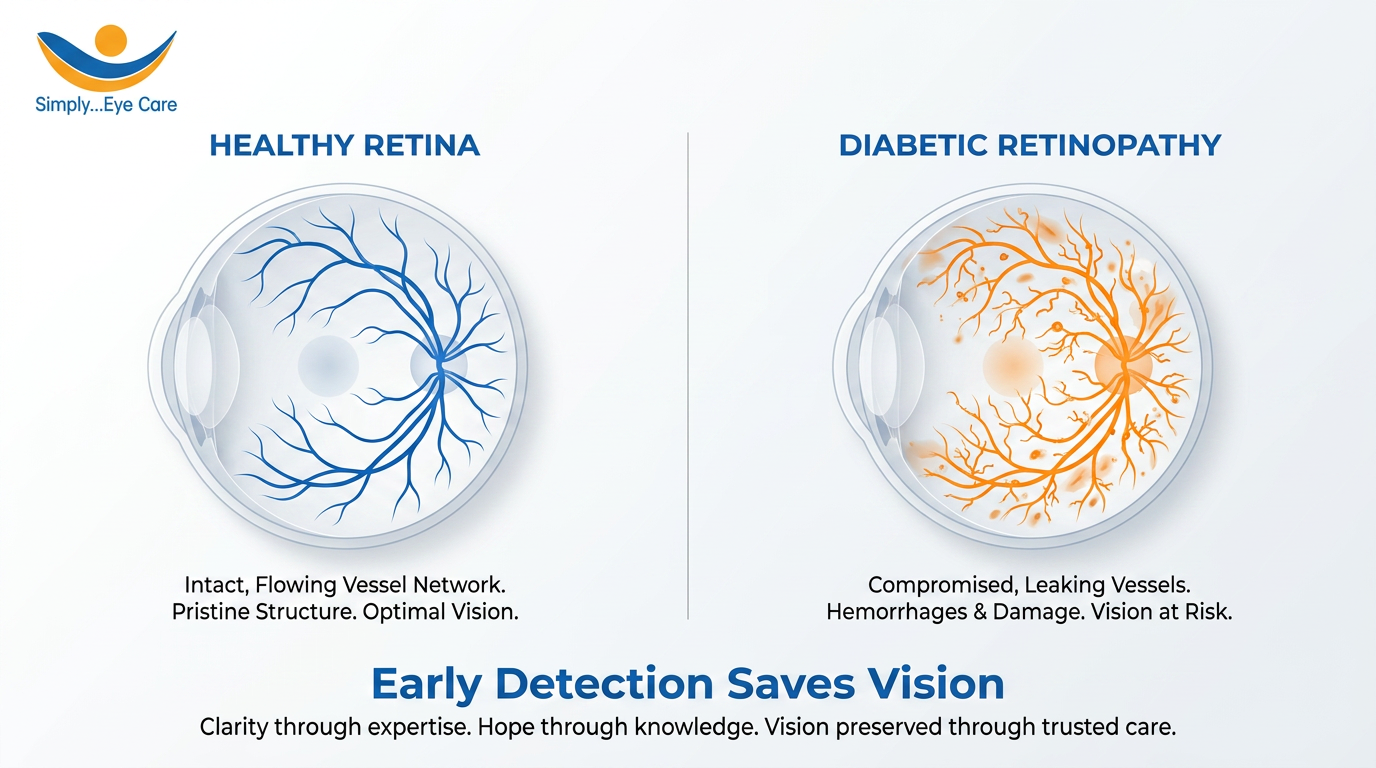
A cataract is a clouding of the eye’s natural lens, which sits behind the iris and helps focus light onto the retina. As the lens becomes cloudy, vision becomes blurry, colours appear faded, and night driving becomes increasingly difficult. Most cataracts develop slowly with age, but they can also be caused by diabetes, eye injuries, long-term steroid use, or genetic factors.
The only effective treatment for cataracts is surgery, in which the clouded lens is removed and replaced with a clear artificial lens. The good news is that cataract surgery in 2026 is no longer a procedure to fear. It typically takes 15 to 20 minutes per eye, is performed under topical anaesthesia (just numbing drops), and most patients walk out of the clinic the same day. With modern advancements, the goal isn’t just to restore vision — it’s to deliver high-definition sight tailored to your lifestyle.
The Latest Technology Transforming Cataract Surgery
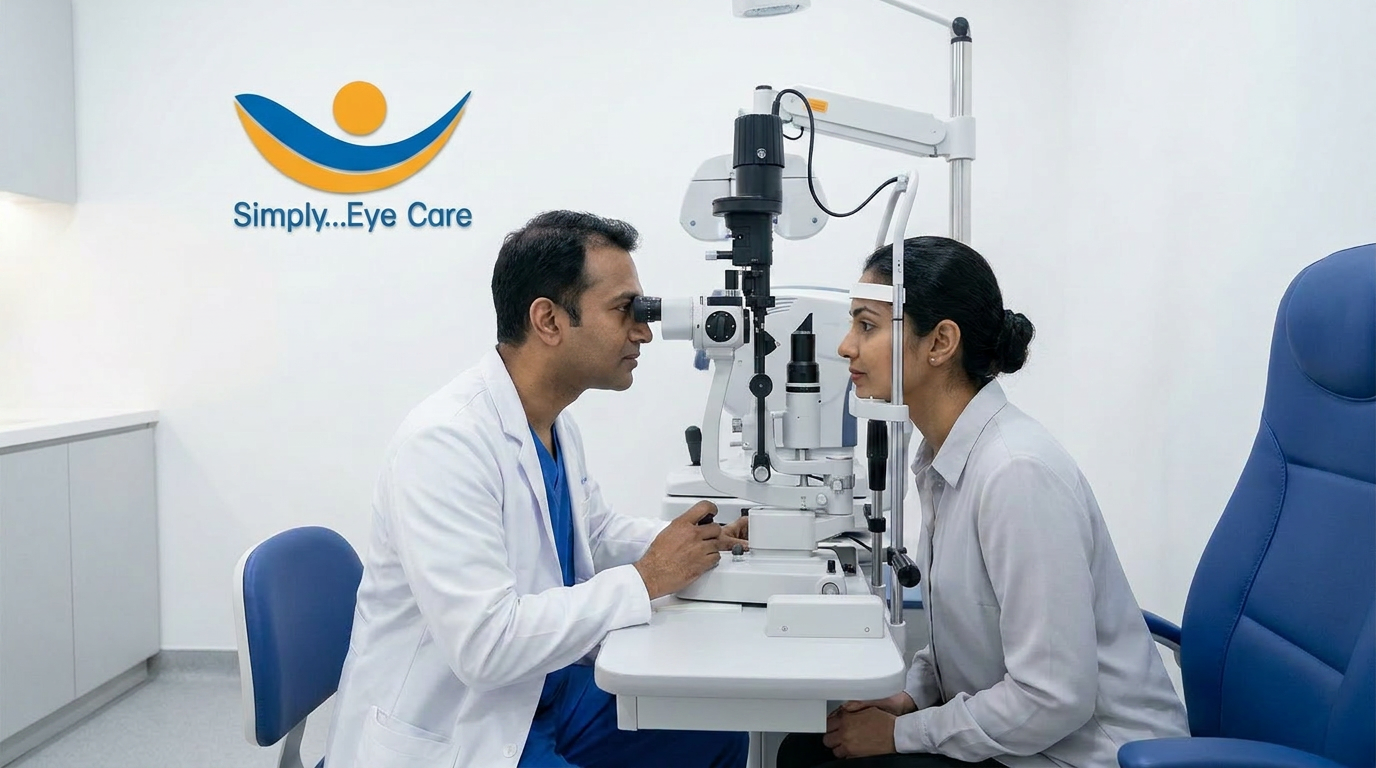
Today’s cataract procedures combine micro-precision instruments with advanced imaging and laser systems. The biggest leap has been the rise of femtosecond laser cataract surgery, where a computer-guided laser performs the most delicate steps of the operation instead of a manual blade. This means greater accuracy, smaller incisions, and faster healing.
Other technologies driving better outcomes in 2026 include:
- 3D digital visualisation systems that give surgeons enhanced depth perception
- Intraoperative aberrometry, which measures your eye in real time for perfect lens placement
- Optical biometry scanners that calculate the ideal lens power with sub-millimetre precision
- AI-assisted planning software that customises every step to your unique eye anatomy
Laser cataract surgery is especially helpful for patients with astigmatism, complex cataracts, or those choosing premium lenses. While traditional phacoemulsification surgery remains highly effective and widely used, laser-assisted procedures offer greater precision for patients seeking the latest in eye care technology. To explore advanced options for cataract surgery in Bangalore, it’s worth consulting a specialist who works with both manual and laser-assisted techniques.
Premium Lens Cataract Surgery: Choosing the Right Lens
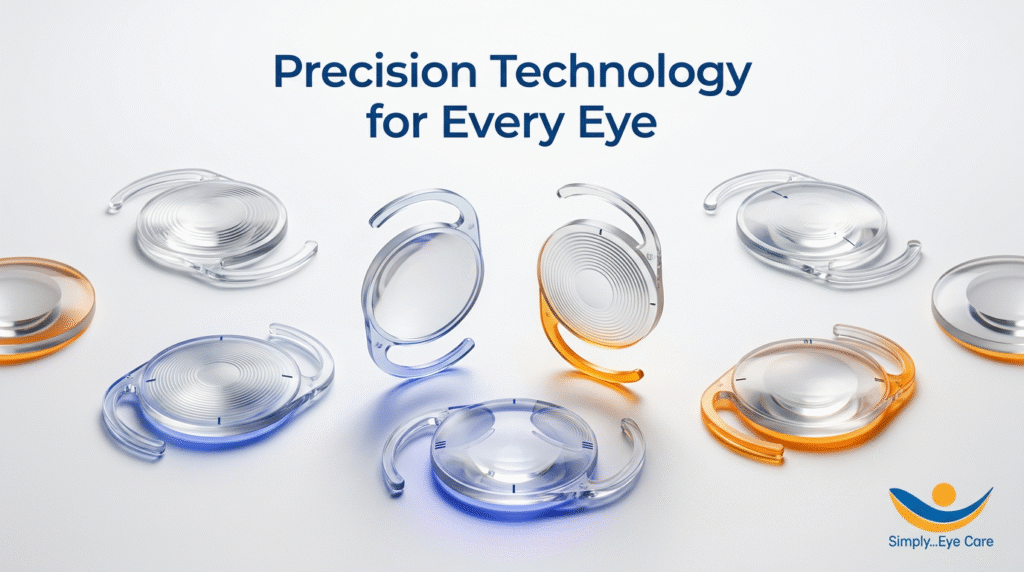
The artificial lens implanted during surgery, called an intraocular lens (IOL), plays a huge role in your visual outcome. Modern IOLs do far more than replace the cloudy natural lens — they can also correct refractive errors and reduce or eliminate the need for glasses after surgery. Premium lens cataract surgery has become one of the most popular choices in 2026 for patients who want freedom from spectacles.
Here are the main types of IOLs available today:
- Monofocal lenses: Provide clear vision at one distance, usually for far sight. Glasses are needed for reading.
- Multifocal lenses: Offer clear vision at multiple distances — near, intermediate, and far — reducing dependence on glasses.
- Extended Depth of Focus (EDOF) lenses: Deliver a smooth range of vision, especially good for computer and intermediate distance work.
- Toric lenses: Correct astigmatism in addition to cataracts, available in both monofocal and multifocal versions.
- Trifocal lenses: A newer premium option that provides sharp vision at near, middle, and far distances with high clarity.
Your eye specialist will recommend the best lens based on your eye health, lifestyle, hobbies, and visual goals. A busy professional who reads, drives, and uses screens may benefit from a trifocal or EDOF lens, while someone with simpler vision needs may prefer a monofocal option. Discussing your daily routine openly with your surgeon helps ensure the right choice.
Cataract Recovery Tips: What to Expect After Surgery
Recovery from modern cataract surgery is remarkably smooth for most patients. Many notice clearer vision within 24 hours, with continued improvement over the following weeks. Still, following the right aftercare instructions makes a big difference in healing and long-term results.
Here are essential cataract recovery tips to keep in mind:
- Use prescribed eye drops exactly as directed to prevent infection and reduce inflammation
- Wear protective sunglasses outdoors and the provided eye shield while sleeping for the first week
- Avoid rubbing or pressing your eye, even if it feels itchy
- Skip swimming, hot tubs, and dusty environments for at least two weeks
- Avoid heavy lifting and strenuous exercise for the first few days
- Don’t drive until your doctor confirms your vision has stabilised
- Attend all follow-up visits so your surgeon can track healing and check lens position
Mild blurriness, light sensitivity, or a gritty feeling is normal in the first few days. However, severe pain, sudden vision loss, or persistent redness needs immediate medical attention. Most patients return to normal activities within a week and enjoy fully restored vision within a month.
Choosing the Right Cataract Treatment Hospital
Selecting the right cataract treatment hospital is just as important as choosing the lens. Look for a facility that offers experienced surgeons, the latest diagnostic and surgical technology, transparent pricing, and strong patient reviews. A good hospital will take time to assess your eye health, explain every lens option clearly, and create a personalised plan rather than pushing a one-size-fits-all approach.
Patients seeking trusted cataract surgery in Bangalore often choose Dr. Solanki Eye Hospital for its blend of advanced technology, premium lens expertise, and patient-first care. Convenience, follow-up support, and clear communication can make the entire surgical experience far less stressful.
See the World Clearly Again — Book Your Cataract Consultation Today
Cataracts may be common, but living with blurry vision is a choice, not a necessity. With today’s safe, quick, and highly customised procedures, sharper sight is well within reach. Don’t let cloudy vision hold you back from reading, driving, travelling, or enjoying time with family. Book your cataract consultation today and discover how the latest technology, premium lens options, and expert care can restore the clarity you deserve.