
Eye Checkup Procedure: What to Expect During a Comprehensive Eye Examination
Vision plays a crucial role in everyday life, from reading emails and working on screens to driving and recognising faces. Yet many people delay routine eye care because they are unsure about the eye checkup procedure or what happens during a full examination. Understanding the process can help remove that uncertainty and encourage regular visits to an eye specialist.
A detailed eye assessment is far more than simply reading letters from a chart. Modern clinics now use advanced eye diagnostic tests to evaluate not only vision clarity but also the overall health of the eyes. If you are considering a vision screening Bangalore clinic or wondering about the eye exam cost, this guide explains each step of the eye checkup procedure and what you can expect during your visit.
Why a Comprehensive Eye Examination Matters
Many eye diseases develop silently, without noticeable symptoms in the early stages. Conditions such as glaucoma, diabetic retinopathy, and macular degeneration can gradually affect vision if left undetected. A regular eye checkup procedure helps identify these problems early, allowing doctors to begin treatment before permanent damage occurs.
A complete, detailed eye assessment does more than measure eyesight. It evaluates the health of the retina, optic nerve, cornea, and eye muscles. During this process, ophthalmologists often use advanced eye diagnostic tests to detect subtle changes that cannot be seen through basic vision screening alone.
In cities like Bangalore, clinics offering vision screening services often recommend routine exams once every 1 to 2 years for adults and more frequently for individuals with diabetes, hypertension, or a family history of eye disease. While many people worry about the cost of an eye exam, preventive eye care often saves significantly more by preventing expensive treatments later.
Step 1: Medical History and Vision Discussion
The first stage of a comprehensive eye checkup procedure begins with a discussion about your medical and visual history. The eye doctor or technician will ask several questions related to your lifestyle and health. These questions help guide the detailed eye assessment that follows.
You may be asked about:
- Current vision problems, such as blurred vision or headaches
- Previous eye conditions or surgeries
- Family history of glaucoma or retinal diseases
- Screen usage and reading habits
- Chronic conditions like diabetes or hypertension
This information helps determine which advanced eye diagnostic tests may be required during your examination. For example, individuals with diabetes may need additional retinal imaging during their eye checkup.
If you are scheduling your visit through a clinic offering vision screening in Bangalore, the doctor may also review previous prescriptions and discuss any changes in vision that may affect your daily activities. This step ensures that the detailed eye assessment is tailored to your specific needs.
Step 2: Visual Acuity and Refraction Testing
The most recognisable part of the eye checkup procedure is the visual acuity test. This is where patients read letters from an eye chart placed at a distance. The test measures how clearly you can see at different distances.
However, a full, detailed eye assessment goes beyond this basic test. The ophthalmologist will also perform refraction testing to determine the exact prescription for glasses or contact lenses.
During this stage, the doctor may use devices such as:
- Phoropter – to test different lens combinations
- Auto-refractor – to estimate refractive errors
- Retinoscope – to evaluate how light reflects from the retina
These tools form an essential part of modern advanced eye diagnostic tests used in the eye checkup procedure. They help identify refractive errors such as myopia, hyperopia, and astigmatism.
Patients visiting clinics for vision screening in Bangalore often discover that even minor prescription adjustments can significantly improve comfort while reading, working on computers, or driving.
Step 3: Eye Health Evaluation and Diagnostic Imaging
A crucial stage of the eye checkup procedure involves examining the internal and external structures of the eye. This is where advanced eye diagnostic tests play a vital role.
The ophthalmologist may perform several evaluations, including:
Slit Lamp Examination
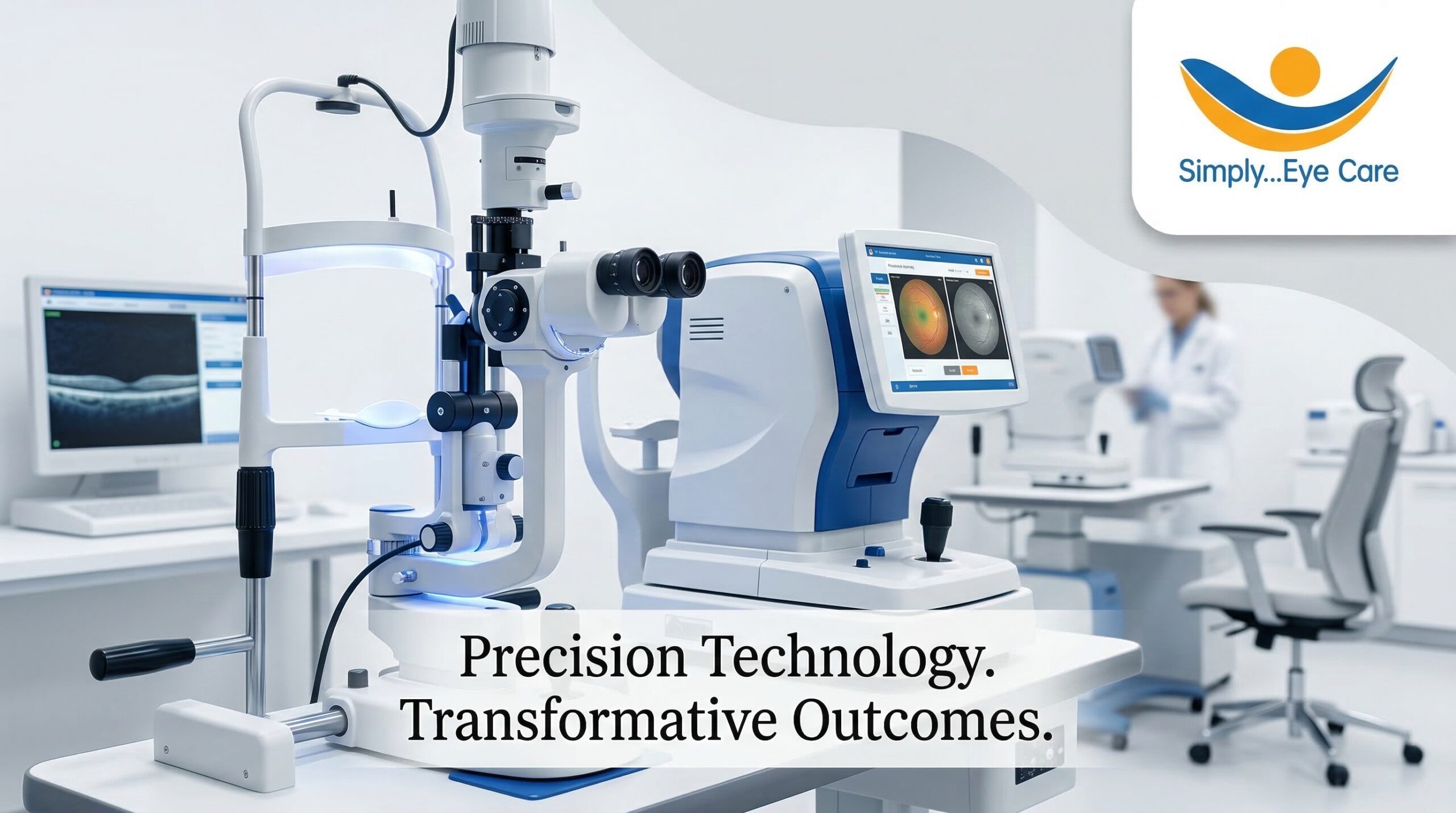
This test uses a microscope with a bright light to examine the cornea, iris, and lens. It helps detect infections, cataracts, and corneal injuries during the detailed eye assessment.
Tonometry Test
This test measures eye pressure and helps detect glaucoma. It is a standard part of the eye checkup procedure, especially for patients over 40.
Retinal Examination
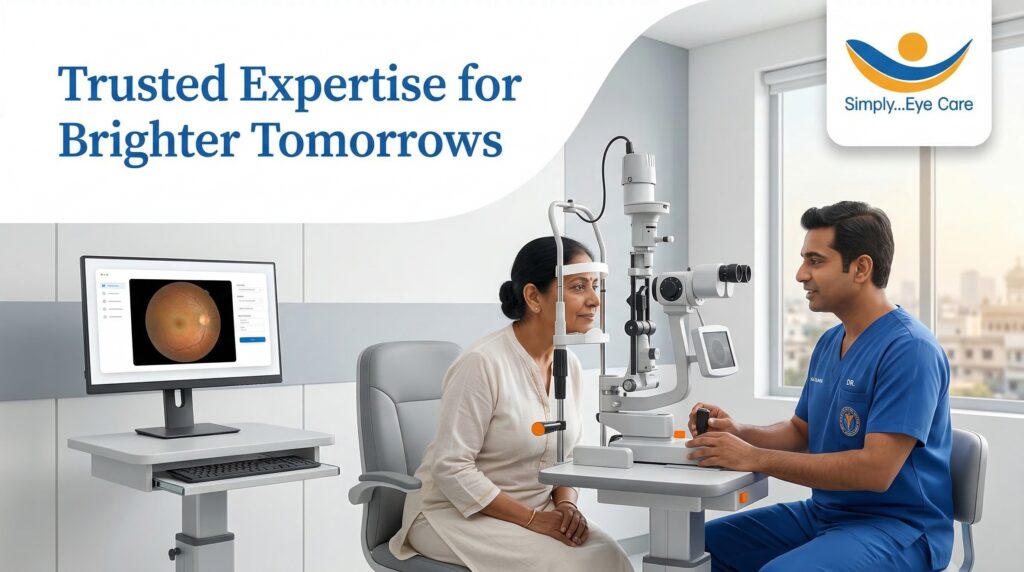
The doctor examines the retina and optic nerve, often after dilating the pupils. This stage of the detailed eye assessment helps identify retinal tears, diabetic retinopathy, and macular degeneration.
Modern clinics offering vision screening in Bangalore frequently use imaging technologies such as:
- Optical Coherence Tomography (OCT)
- Digital retinal photography
- Corneal topography
These advanced eye diagnostic tests provide highly detailed images that allow ophthalmologists to detect even subtle changes in eye health.
If you want to consult experienced specialists, you can review the expert team at
https://drsolankieyehospital.com/doctors/
Step 4: Eye Muscle Coordination and Peripheral Vision Tests
A comprehensive eye checkup procedure also evaluates how well your eyes work together. Eye muscle coordination is essential for activities like reading, depth perception, and focusing on moving objects.
Doctors may perform several tests during this stage of the detailed eye assessment, including:
Eye Movement Test
This test assesses how well the eyes track moving objects and helps detect muscle weakness or nerve problems.
Cover Test
The doctor covers one eye at a time to determine how well the eyes align and work together.
Peripheral Vision Test
This evaluates your side vision and helps identify early signs of glaucoma or neurological conditions.
These tests are an important part of advanced eye diagnostic tests performed during the eye checkup. Many people who undergo vision screening in Bangalore exams discover that problems such as eye strain or double vision may be related to muscle coordination rather than refractive errors.
Understanding Eye Exam Cost and Frequency
One of the most common concerns people have before scheduling an appointment is the cost of the eye exam. The cost of a comprehensive eye checkup procedure can vary depending on several factors.
These factors may include:
- The number of advanced eye diagnostic tests required
- Whether pupil dilation is performed
- Retinal imaging or OCT scans
- Consultation with a specialist
While eye exam costs can vary across clinics offering vision screening in Bangalore, most comprehensive exams are reasonably priced given the long-term value they provide. Detecting problems early through a detailed eye assessment often prevents costly treatments later.
Patients are generally advised to undergo a comprehensive eye examination once every 1 to 2 years. Individuals with diabetes, glaucoma risk, or vision changes may require more frequent exams.
You can also learn more about the specialists who perform these examinations by visiting:
https://drsolankieyehospital.com/doctors/
When Should You Schedule an Eye Checkup?
Even if your vision appears normal, certain signs indicate the need for a professional eye checkup procedure.
You should consider scheduling a detailed eye assessment if you experience:
- Frequent headaches while reading
- Blurred or double vision
- Difficulty seeing at night
- Eye strain during screen usage
- Sudden changes in vision clarity
Clinics offering vision screening in Bangalore often recommend regular checkups for professionals who spend long hours on digital devices. A timely eye checkup, supported by advanced eye diagnostic tests, can detect potential problems before they affect daily life.
Take the First Step Toward Better Vision
Your eyes work tirelessly every day, yet they are often overlooked until a problem appears. A routine eye checkup procedure is one of the most effective ways to protect your long-term vision and overall eye health.
Through a detailed eye assessment, ophthalmologists can identify vision issues, monitor eye health, and recommend appropriate treatments or corrective lenses. With modern advanced eye diagnostic tests, early detection of eye diseases is more accurate than ever before.
If you are considering vision screening services in Bangalore or want to understand the cost of an eye exam, scheduling a comprehensive exam with experienced specialists is the best step forward.
Book your comprehensive eye examination today and take a proactive step toward clearer, healthier vision.