
Best Foods for Healthy Eyesight: Diet Tips from Eye Specialists
You have probably heard that carrots are good for your eyes, but the full story of nutrition and vision goes far deeper than that. What you put on your plate every day has a real, measurable effect on the health of your eyes and your risk of developing serious eye conditions later in life. While no diet can replace regular eye care, the right foods can help protect your vision, slow age-related decline, and keep your eyes working their best. Here, drawing on the guidance eye specialists share, are the best foods for eye health and how to build an eye healthy diet that lasts a lifetime.
Why Nutrition Matters So Much for Your Eyes
The eyes are highly active organs, constantly working and highly dependent on a steady supply of nutrients and oxygen. The retina in particular contains some of the most metabolically demanding tissue in the body, and it is vulnerable to damage from oxidative stress and inflammation over time. This is where nutrition for the eyes becomes powerful. Certain vitamins, minerals, and antioxidants help neutralise harmful molecules, support healthy blood vessels, and protect the delicate structures responsible for sharp vision.
Research has linked specific nutrients to a lower risk of conditions like age-related macular degeneration and cataracts, two of the leading causes of vision loss worldwide. While genetics and age still play a role, a consistent, nutrient-rich diet is one of the few protective factors fully within your control. Think of good eating not as a cure, but as long-term insurance for your sight.
The Essential Vitamins for Eyesight
Several key vitamins for eyesight form the foundation of eye health. Vitamin A is famous for supporting the light-sensing cells of the retina and helping with night vision; you will find it in sweet potatoes, carrots, and dark leafy greens. Vitamin C, abundant in citrus fruits, bell peppers, and berries, is a powerful antioxidant that supports the blood vessels in the eye and may lower cataract risk.
Vitamin E, found in nuts, seeds, and vegetable oils, works alongside vitamin C to protect eye cells from oxidative damage. The minerals zinc and selenium also play important supporting roles, helping the body use these vitamins effectively and maintaining retinal health. Rather than relying on supplements, eye specialists generally recommend getting these nutrients from whole foods, where they come packaged with fibre and other beneficial compounds that work together.
Powerhouse Foods Every Eye-Healthy Diet Needs
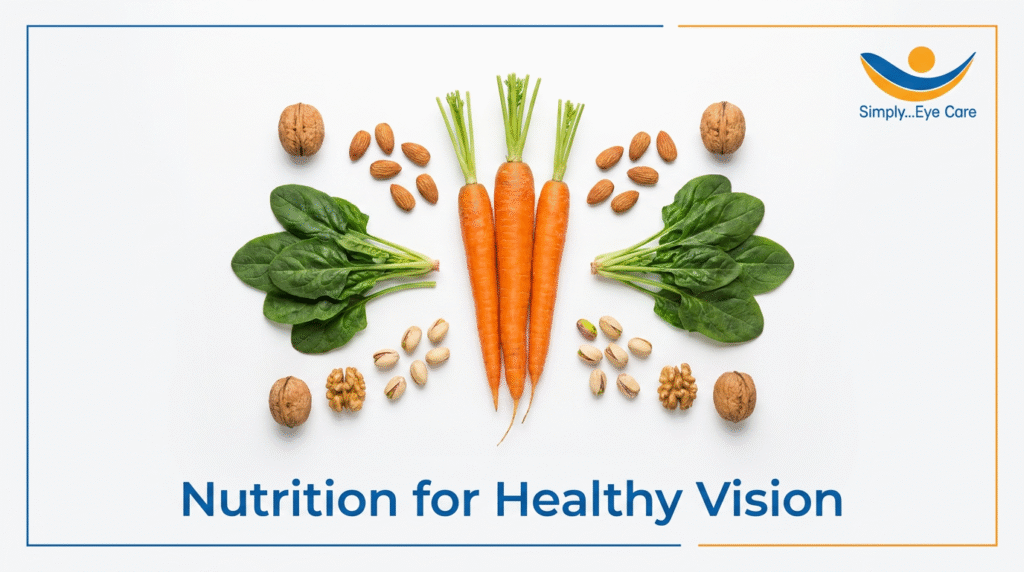
Some foods stand out as true champions for vision. Leafy green vegetables like spinach, kale, and collard greens are rich in lutein and zeaxanthin, two antioxidants that concentrate in the retina and act like internal sunglasses, filtering harmful light. These nutrients are strongly associated with a reduced risk of macular degeneration, making greens a cornerstone of any eye healthy diet.
Fatty fish such as salmon, mackerel, and sardines deliver omega-3 fatty acids, which support the retina and help relieve dry eye by improving the quality of the tear film. Eggs are another excellent choice, offering lutein, zeaxanthin, zinc, and vitamin A in one convenient package. Colourful fruits and vegetables, including oranges, berries, bell peppers, and carrots, provide a spectrum of antioxidants. Nuts and seeds round out the list with vitamin E and healthy fats. Building meals around these foods is one of the most practical ways to naturally improve vision and protect your eyes in the long term.
Hydration, Lifestyle, and Habits That Support Your Eyes
Food is only part of the equation. Staying well hydrated keeps the eyes lubricated and helps prevent the dryness and irritation that so many people experience, especially those who spend long hours in front of screens or in air-conditioned environments. Drinking enough water throughout the day is a simple habit with real benefits for comfort and tear production.
It is equally important to limit foods that harm eye health. Diets high in refined sugars, processed snacks, and unhealthy fats can contribute to inflammation, weight gain, and conditions like type 2 diabetes, which is itself a major cause of vision loss. Pairing a nutrient-rich diet with other healthy habits, such as not smoking, protecting your eyes from UV light, managing blood sugar and blood pressure, and taking regular screen breaks, multiplies the benefits. To learn more about comprehensive eye care that complements a healthy lifestyle, visit Dr. Solanki Eye Hospital.
Realistic Expectations: What Food Can and Cannot Do
It is worth being honest about what nutrition can achieve. A good diet can help maintain healthy eyes, reduce the risk of certain diseases, and support overall vision, but it cannot reverse refractive errors like nearsightedness or undo damage that has already occurred. Claims that specific foods can eliminate the need for glasses or cure serious eye disease are not supported by evidence. The real value of an eye healthy diet lies in prevention and long-term protection.
This is exactly why nutrition should work hand in hand with professional eye care, not replace it. Even people with excellent diets need regular eye examinations to catch silent conditions early. A specialist can assess your individual risk, recommend dietary adjustments suited to your health, and monitor your eyes over time. If you want personalised guidance, the team at Dr. Solanki Eye Hospital can help you build a complete plan for lifelong eye health.
Building Your Eye-Healthy Plate
Putting it all together is simpler than it sounds. Fill half your plate with colourful vegetables and fruits, prioritise leafy greens, include fatty fish a couple of times a week, add a handful of nuts or seeds, and choose whole foods over processed ones. Stay hydrated, limit sugar, and treat these choices as daily habits rather than occasional efforts. Small, consistent steps add up to meaningful protection for your vision over the decades.
Nourish your eyes from the inside out, then back it up with expert care. Schedule a comprehensive eye examination at Dr. Solanki Eye Hospital today, and combine smart nutrition with professional guidance to keep your vision clear and healthy for years to come.