
Advanced Retina Treatments Available in Modern Eye Hospitals
The retina is one of the most delicate and vital parts of the human eye. This thin layer of light-sensitive tissue at the back of the eye captures images and sends them to the brain, making it essential for everything you see. When the retina is damaged by disease, injury, or age, vision can deteriorate rapidly and, in many cases, permanently. Fortunately, modern medicine has transformed what is possible. Today’s advanced retinal treatment options can preserve and even restore vision in conditions once considered untreatable. Here is a closer look at the cutting-edge care now available in leading eye hospitals.
Why Retinal Care Demands Specialised Expertise
Unlike many parts of the eye, the retina cannot regenerate once it is significantly damaged. This makes timely, precise treatment critical. Retinal conditions are also among the most complex in ophthalmology, requiring deep subspecialty knowledge, advanced imaging, and microscopic surgical skill. That is why dedicated retinal care is best handled by a fellowship-trained retina specialist rather than a general practitioner.
A modern retina care hospital brings together diagnostic precision and surgical capability under one roof. High-resolution imaging tools such as optical coherence tomography and fluorescein angiography allow specialists to see the retina in extraordinary detail, mapping problems layer by layer. This level of insight enables doctors to detect disease earlier, plan treatment more accurately, and monitor progress over time. The combination of expert hands and advanced technology is what separates routine eye care from true retinal medicine.
Retinal Laser Treatment: Precision Without Incisions
One of the most widely used and effective tools in modern retinal care is retinal laser treatment. Using a focused beam of light, specialists can seal leaking blood vessels, treat retinal tears, and slow the progression of conditions such as diabetic retinopathy. The procedure is typically performed in an outpatient setting, requires no incision, and is often completed in a single short session.
For people with diabetes, laser therapy can be especially valuable. Diabetic eye disease damages the tiny blood vessels of the retina, leading to leakage, swelling, and the growth of fragile, abnormal vessels. Targeted laser treatment helps stabilise the retina and protect remaining vision. Because early intervention produces the best results, anyone managing diabetes should prioritise regular retinal screening. You can learn more about specialised diabetic and retinal care through this overview of retina and diabetic treatment in Bangalore.
Vitreo Retina Surgery for Complex Conditions
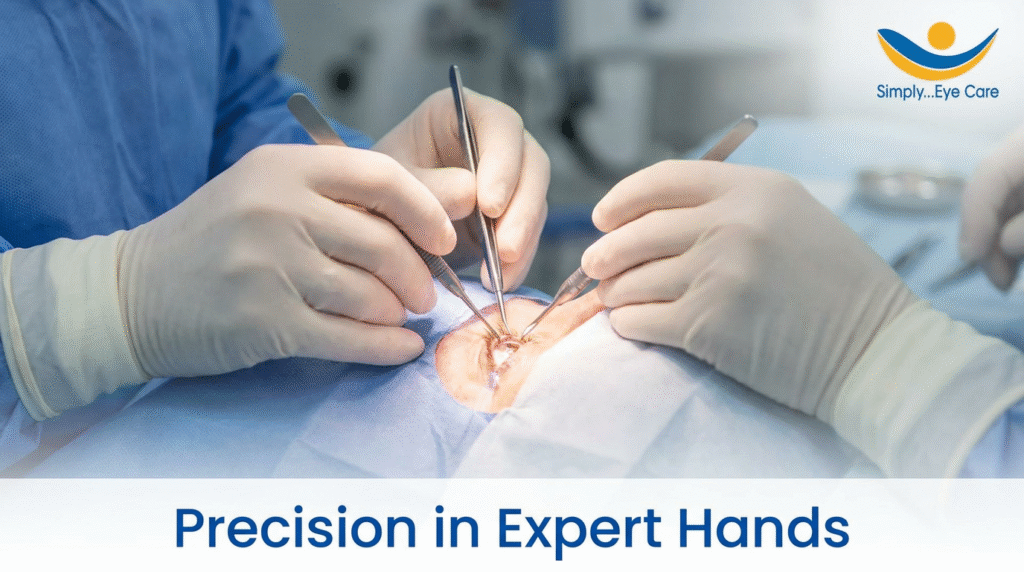
When retinal problems are more severe, microsurgery becomes necessary. Vitreo-retinal surgery addresses serious conditions affecting both the vitreous, the gel that fills the eye, and the retina. This includes retinal detachment, advanced diabetic eye disease, macular holes, vitreous haemorrhage, and the effects of severe eye trauma. Using tiny instruments and high-magnification visualisation, surgeons can repair the retina with remarkable precision.
Modern vitreoretinal surgery has become far less invasive than in the past. Techniques now use micro-incisions so small that they often require no stitches, resulting in less discomfort and a faster recovery for patients. Surgeons can remove scar tissue, reattach a detached retina, repair holes in the macula, and clear blood from inside the eye. These procedures can rescue vision in situations that would otherwise lead to blindness, restoring not just sight but independence and quality of life. Outcomes depend heavily on the skill of the surgical team and the speed of treatment, which is why prompt referral to a specialist matters so much.
Injectable Therapies and the Rise of Targeted Medicine
Some of the most significant advances in retinal care have come not from lasers or scalpels, but from medicine delivered directly into the eye. Intravitreal injections of anti-VEGF agents have revolutionised the treatment of conditions like wet age-related macular degeneration, diabetic macular edema, and retinal vein occlusion. These medications work by blocking the abnormal blood vessel growth and leakage that damage central vision.
For many patients, these injections have turned previously progressive, vision-stealing diseases into manageable conditions. A series of carefully timed treatments can stabilise vision and, in many cases, improve it. The procedure itself is quick and performed under local anaesthesia in the clinic. Ongoing research is extending the duration of these therapies, reducing the frequency of injections and making long-term management easier. This shift toward targeted, molecular medicine represents one of the brightest frontiers in ophthalmology.
Choosing the Right Retina Care Hospital
With so many advanced options available, the choice of where to seek treatment matters as much as the treatment itself. The best outcomes come from a facility that combines an experienced retina specialist, modern diagnostic equipment, and a full range of treatment capabilities from laser to surgery to injectable therapy. Continuity of care is also important, as many retinal conditions require ongoing monitoring and repeated treatment.
When evaluating a retina care hospital, look for subspecialty expertise, up-to-date technology, a strong track record with complex cases, and a patient-centred approach that clearly explains your condition. Early and expert intervention is the single biggest factor in preserving sight, so do not delay if you notice warning signs such as sudden floaters, flashes of light, a curtain or shadow across your vision, or rapid changes in sight. To explore comprehensive retinal services with experienced specialists, visit Dr. Solanki Eye Hospital.
The Future of Retinal Vision Care
Retinal medicine is advancing faster than almost any other field in eye care. From longer-lasting injectable drugs to refined microsurgical techniques and increasingly precise imaging, the tools available today would have seemed like science fiction a generation ago. Conditions that once meant certain blindness can now often be controlled or reversed when caught and treated in time. The recurring theme across all of these advances is the same: early detection and expert care change everything.
Don’t wait until vision loss becomes permanent. If you have diabetes, notice changes in your sight, or simply want a thorough retinal evaluation, schedule a consultation with the retina specialists at Dr. Solanki Eye Hospital today and give your vision the advanced care it deserves.